Shared rooftop solar in apartment blocks gets easier from 28 November
- Source date
- Published on Tairix
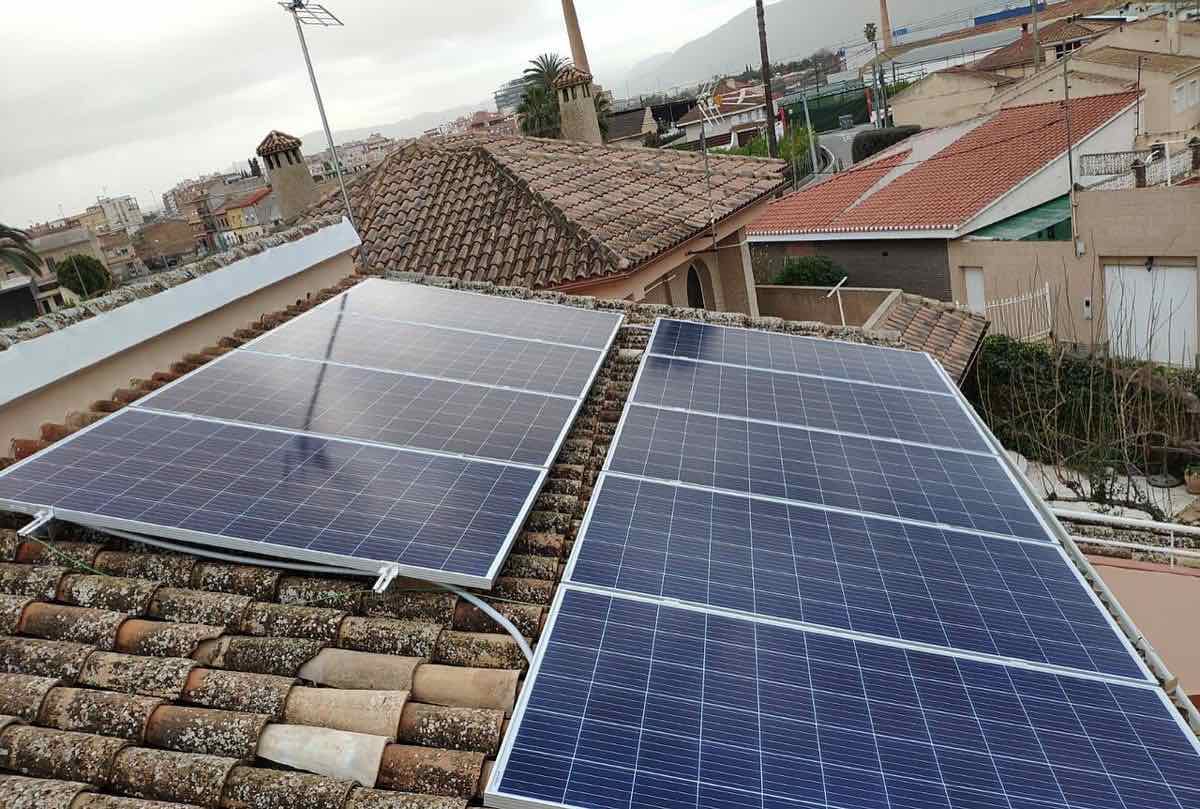
Royal Decree 1063/2026, published in the BOE on 27 November, makes shared solar installations for neighbours simpler: only the people affected now sign changes to the shares, and you can switch scheme after one month instead of four. The new rules apply from 28 November.
On the coast most of us live in flats and urbanisations with a shared roof, so putting up “your own” panels is usually impossible. Spain has a solution for this: collective self-consumption (autoconsumo colectivo), one installation on the roof of the building or nearby, with the energy split between participants under an allocation agreement (acuerdo de reparto). In the decree’s preamble the government itself notes that over 70% of main homes in Spain are in apartment buildings. Until now the scheme had awkward rules: any change to the shares needed the signatures of every participating neighbour, and you could not change scheme for at least four months.
📍 What changes from 28 November
A shared installation can be connected on the first allocation agreement received by the grid operator (distribuidora), without waiting for papers from every participant. Changing the shares, or letting a neighbour join or leave, only needs the signatures of those whose share changes. The minimum time in one scheme is cut to one month. There is a new “shared surplus” scheme (excedentes compartidos): the owner of a large roof — a neighbour, a shop or a public building — shares only the energy they do not use, and no extra meter is needed for it. Participants can be represented by a self-consumption manager (gestor de autoconsumo). Generation data will be visible on the same grid-operator platforms where you check your consumption, and the decree orders that electricity bills include data on production and allocation.
The decree also recognises home batteries (almacenamiento distribuido) as part of self-consumption schemes — electric car batteries will be covered too in future. But the specific conditions, including any exemption from grid charges, will be set later in a separate regulation. In addition, the Ministry for the Ecological Transition (MITECO) is putting a further package out to consultation: compensation for self-consumers when the grid operator is slow to activate an installation, plus other adjustments.
📍 What this means for you
If your community of owners is discussing panels on the roof, it is now easier to organise and easier to change: ask your property manager (administrador de fincas) about collective self-consumption and put it on the owners’ meeting agenda. No roof of your own? Look for a scheme where a neighbour or a nearby building shares its energy: since March, installations of up to 5 MW can be up to 5 km from the consumers. Remember the tax side too: some town halls give an IBI discount for solar systems — in Alicante, for example, 50% under its tax bylaw (more in our news on Alicante’s IBI). Check your own town’s tax bylaw for the conditions; how property taxes work is in our guide “Municipal taxes and SUMA”, and electricity bills are covered in “Utilities”.
Original source: BOE / MITECO ↗