11N: 120,000 marchers in the rain and a charge on Gran Vía
- Source date
- Published on Tairix
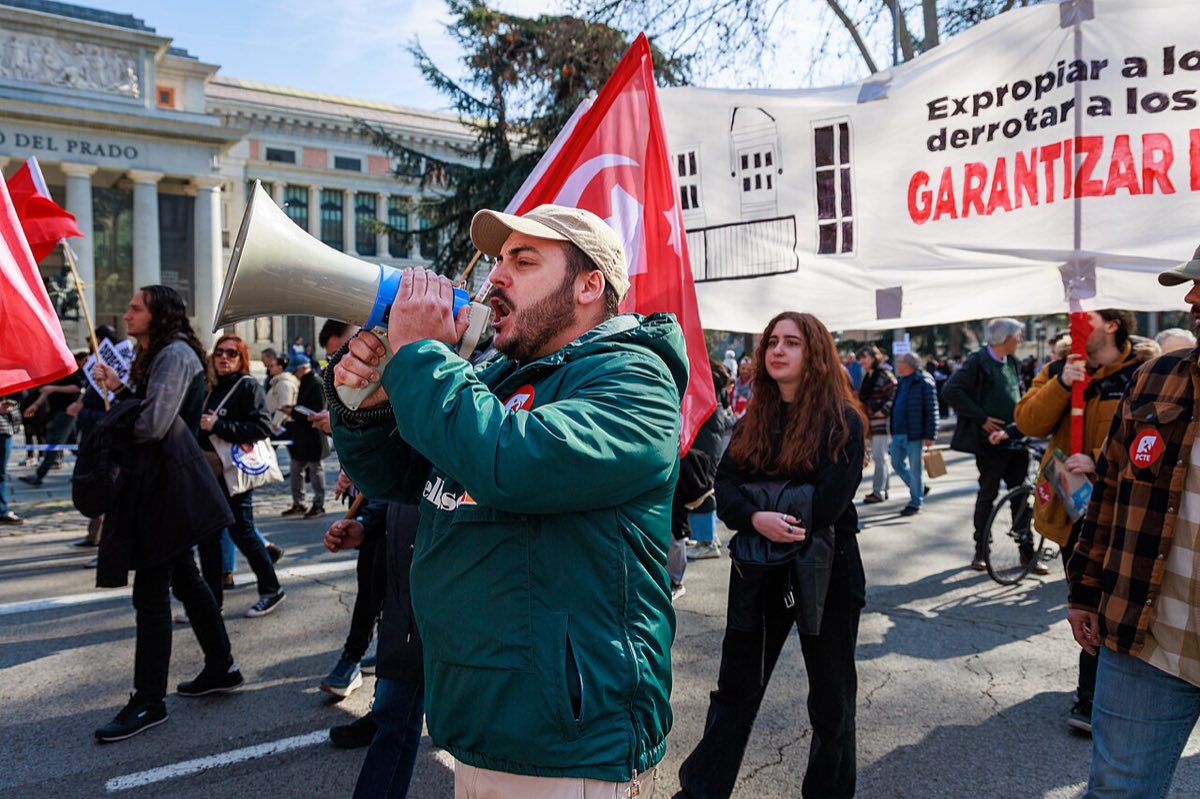
On the evening of 11 November, the day of the general strike, 120,000 people marched in Madrid according to the authorities, 55,000 in Barcelona and 40,000 in Valencia, with a big turnout in Alicante too. The marches demanded decent wages and housing; in Madrid and Barcelona they ended in clashes, RTVE reports.
The 11 November general strike ended with evening marches across Spain, and the rain, at times very heavy, did not stop them. According to the Government Delegation, 120,000 people marched in Madrid; in Barcelona the city police counted 55,000, and in Valencia 40,000. According to RTVE, turnout was also large in Alicante, Zaragoza, Bilbao, Santiago de Compostela, Vigo and La Rioja. The strike was called by CCOO, UGT, the Tenants’ Union (Sindicato de Inquilinas) and other groups, the first nationwide strike by the two biggest unions since 2012.
📍 What happened in Madrid
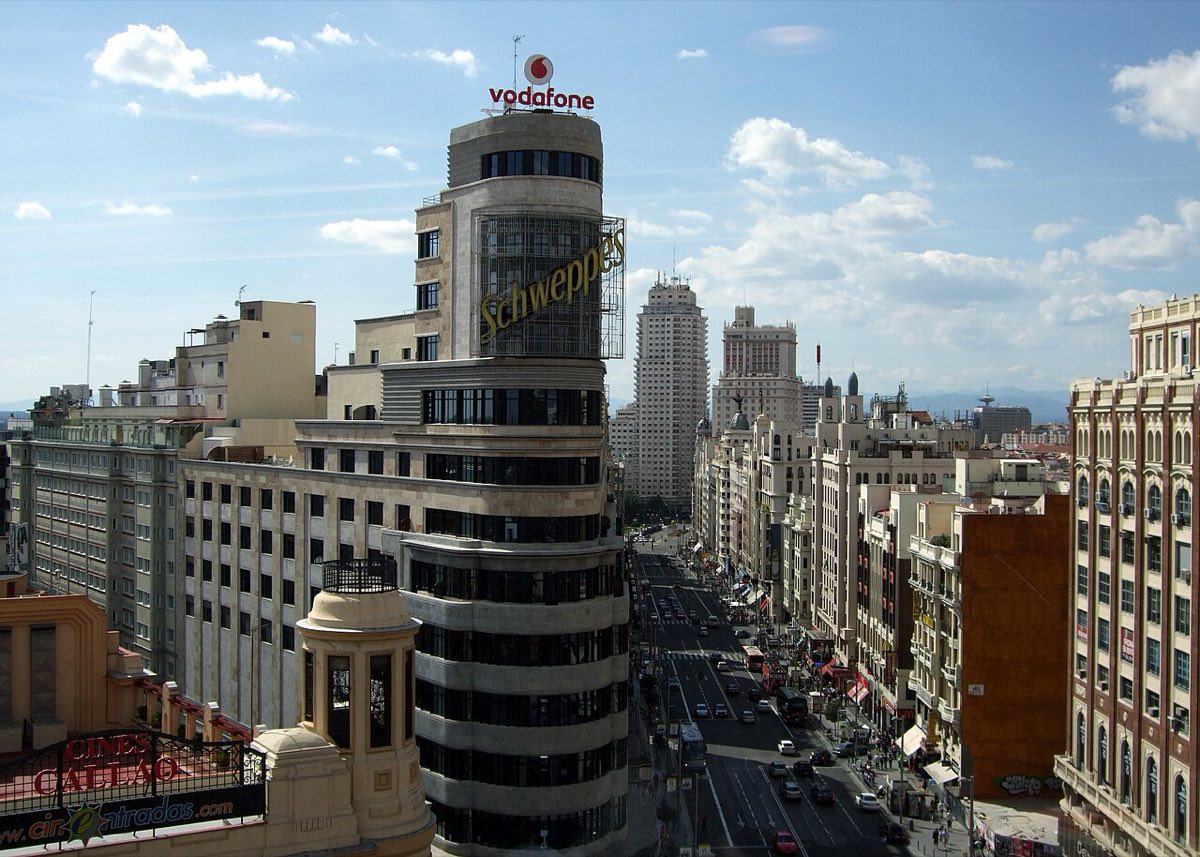
The Madrid march ended on Gran Vía, and on the stretch between Callao and Plaza de España police dispersed the crowd: according to the EFE agency, cited by RTVE, officers fired rubber bullets and used pepper spray after bins were set on fire and shop windows smashed. During the night police had broken up a picket at the Mercamadrid wholesale market, where medics treated at least 13 people, and there were injuries at the bus depots in Carabanchel. RNE radio journalist Graciela García was also hurt and plans to sue. In total 20 people were arrested in Madrid that day.
📍 Barcelona and other cities
In Barcelona, after the march, a group of hooded young people smashed shop windows, threw firecrackers at the Catalan police and set bins alight; shops in the centre had closed in advance. Catalan president Salvador Illa condemned the violence: protest is legitimate, violence is not. In Andalusia CCOO and UGT called off marches in Seville, Cádiz, Huelva and Córdoba because of downpours, but people turned out anyway. In Murcia a young woman was hurt by a bottle thrown from a balcony, and police are looking for whoever threw it. The other protests, RTVE stresses, passed off calmly.
📍 What they demanded and who said what
The main slogans targeted “rentiers”, investment funds and estate agencies; marchers also called for protecting public services and pensions and remembered Maricarmen Abascal, whose eviction sparked the protests. Tenants’ Union spokeswoman Valeria Racu said the strike was aimed at all governments that had protected rentiers. The government called the strike’s causes fair, and minister Félix Bolaños said it was “not against anyone”. PP secretary general Miguel Tellado called it “electoral”, Vox a “circus”. The CEOE employers point to electricity demand: by 17:00 it was 2.5% lower than on Tuesday, and in the morning the gap reached 10%.
📍 What happened the next day
On 12 November Interior Minister Marlaska ordered an investigation into the police’s conduct and banned tear gas at future protests, and Congress approved one of the two housing decrees; both stories are linked below. Spain votes on 29 November.
Original source: RTVE ↗