Spain nears 50 million, and our region grows fastest
- Source date
- Published on Tairix
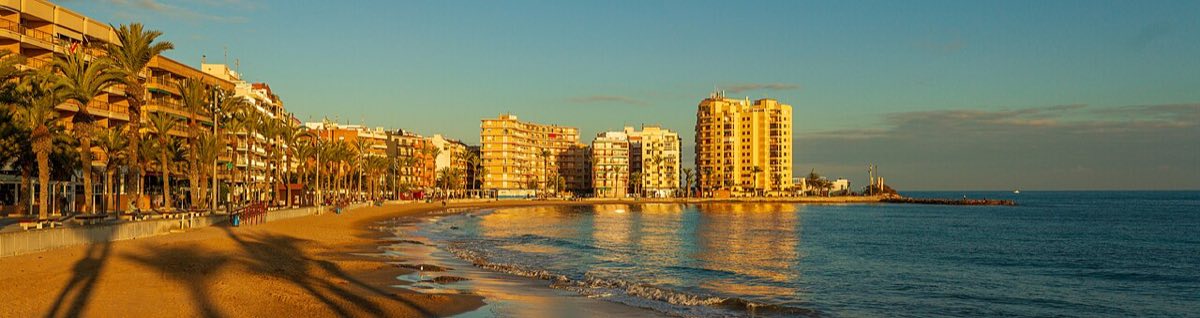
On 1 October 2026 Spain had 49,935,642 residents, an all-time high according to provisional INE data. Almost all the growth came from people born abroad, and the Valencian Community grew fastest over the summer: +0.48% in the quarter.
According to provisional figures from the National Statistics Institute (INE), published on 12 November, Spain had 49,935,642 residents on 1 October 2026. That is the highest figure on record. In the third quarter alone the population grew by 130,223, and over a year, by INE’s estimate, by 435,551.
📍 Growth comes almost entirely from newcomers
People born abroad account for 98.8% of the growth: there are now 10,433,091 of them in Spain. The number of foreign nationals rose by 86,883 in the quarter to 7,518,237, and the number of Spanish citizens by 43,340. There are more people born abroad than foreign nationals because many of them acquire Spanish citizenship over time, INE explains.
📍 The Valencian Community leads the growth
The population grew in every region, but fastest in the Valencian Community, which includes the province of Alicante: +0.48% in the quarter. Next come Madrid (+0.46%) and Melilla (+0.36%); the Spanish average was 0.26%. Growth was slowest in Ceuta, the Canary Islands and Andalusia, RTVE reports.
📍 Who arrives and who leaves
Most arrivals in the quarter were Colombian nationals (33,200), Spanish nationals (23,600, mostly Spaniards returning home) and Venezuelans (19,000). The most frequent leavers were Colombians (9,100), Moroccans (8,900) and Spaniards (7,500). INE calls these figures a first estimate: final migration data will come in its annual statistics.
📍 What it means for housing
The number of households rose by 69,162 in the quarter to 19,953,529. That matters for the housing market: every new household is one more home that has to be bought or rented, including here on the coast. All figures are provisional: INE revises them every quarter until a new census is published.
Original source: INE ↗