A Spaniard could succeed Lagarde at the ECB
- Source date
- Published on Tairix

Spain has nominated former Bank of Spain governor Pablo Hernández de Cos to become President of the European Central Bank. His only rival is Klaas Knot of the Netherlands. The Eurogroup will discuss both candidacies on 9 November.
Christine Lagarde is leaving the European Central Bank early: on 29 October she told the President of the European Council that she would step down by 7 February 2027 at the latest. Euro area countries had until 6 November to put forward a successor. By that deadline, according to the Eurogroup President, two candidacies had arrived: Pablo Hernández de Cos of Spain and Klaas Knot of the Netherlands.
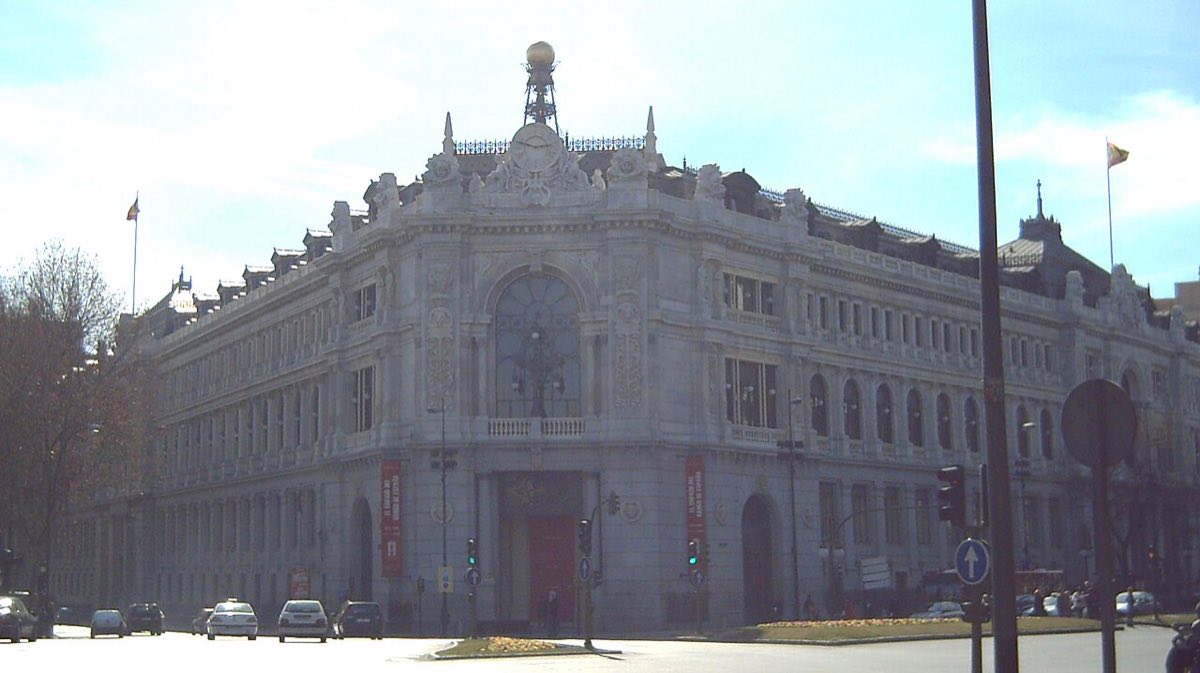
📍 Who Hernández de Cos is
From 2018 to June 2024 he was Governor of the Bank of Spain, and in those years sat on the ECB Governing Council, so he has already voted on euro area interest rates. He also chaired the Basel Committee on Banking Supervision, which writes global rules for banks. Since 1 July 2025 he has been General Manager of the Bank for International Settlements in Basel, often called the central bank of central banks. No Spaniard has ever led the ECB: its presidents so far have been Dutch, French (twice) and Italian.
📍 How the choice is made
The Eurogroup, the euro area finance ministers, will discuss the candidacies on 9 November. The decision is taken by the European Council on a recommendation from the Council of the EU, and it needs a reinforced majority: at least 16 of the 21 euro area countries, representing at least 65% of its population. The ECB and the European Parliament are consulted before the final decision.
📍 Why it matters for your mortgage
The ECB sets interest rates for every euro country, and they drive Euribor, the index most variable-rate mortgages in Spain are tied to. At the end of October the bank held its deposit rate at 2.50%. Whoever takes the chair, rate decisions are made by the whole Governing Council, not the president alone, so the appointment by itself does not mean loans will get cheaper or dearer.
Original source: Eurogroup / Council of the EU ↗