UN court finds a State guilty of genocide for the first time
- Source date
- Published on Tairix
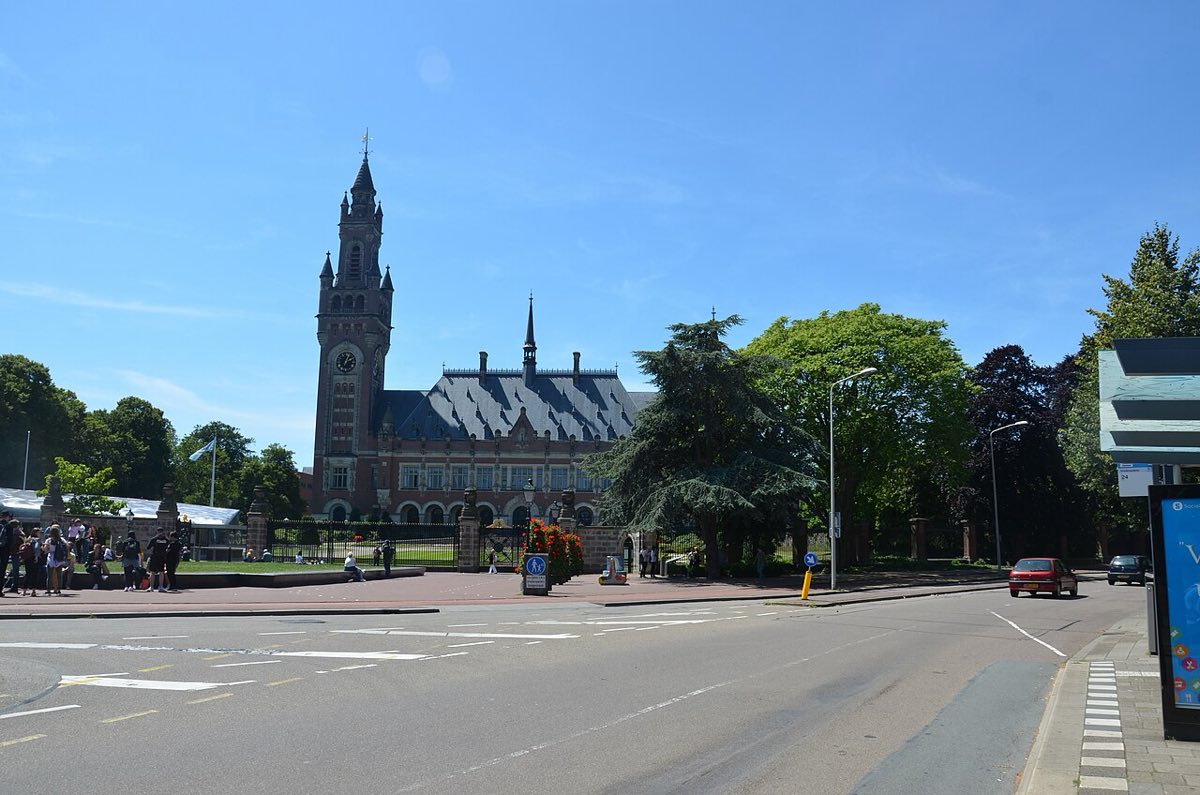
On 19 November the UN’s International Court of Justice in The Hague ruled that Myanmar committed genocide against the Muslim Rohingya in 2017. It is the court’s first ruling that holds a State itself responsible for genocide. The judgment is final and cannot be appealed.
The reading took about three hours. The court’s president, Japanese jurist Yuji Iwasawa, read out the finding: Myanmar’s military and other State organs deliberately killed Rohingya, caused them serious bodily and mental harm and imposed measures intended to prevent births within the group. Myanmar also failed to prevent the genocide and to punish those responsible. According to RTVE, the decision was adopted by nine votes to six.
📍 What happened in 2017
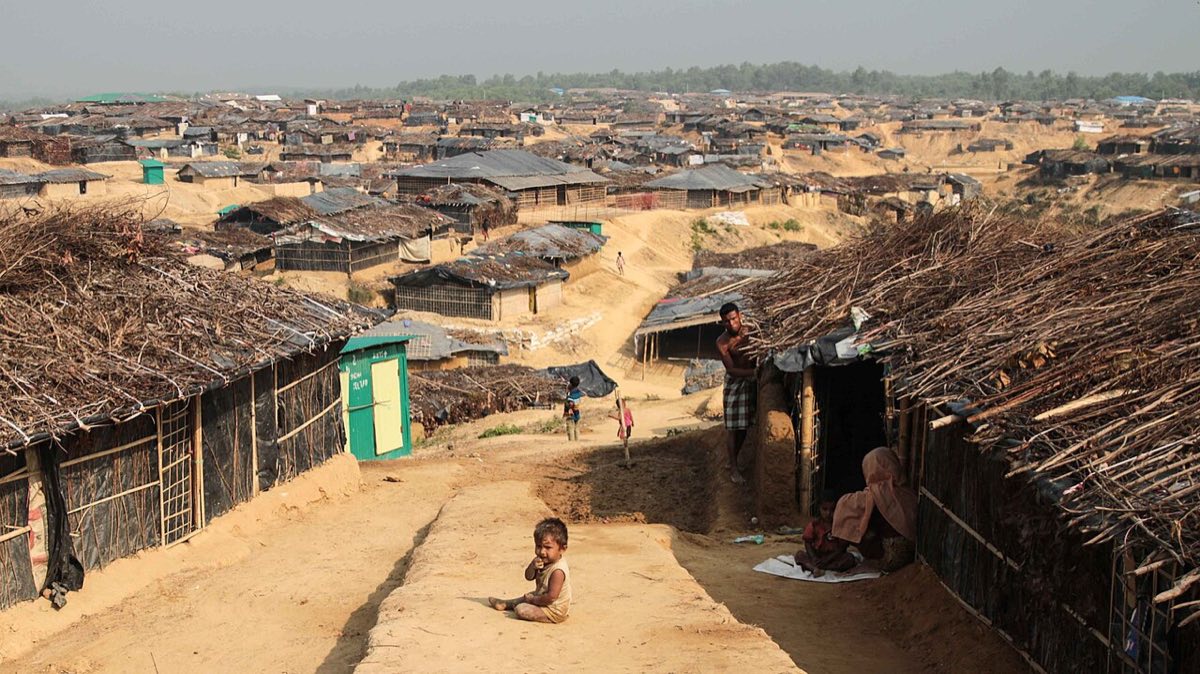
The Rohingya are a Muslim minority in Rakhine state in western Myanmar; the country has never recognised them as citizens. In 2017 the army carried out so-called “clearance operations” there, presenting them as a fight against insurgents from the ARSA group. According to the estimate cited by the court, about 10,000 people were killed and some 700,000 fled to neighbouring Bangladesh. Nearly 400 villages in the north of the state, about 40% of the total, were partly or completely destroyed, and security installations and new settlements were later built on the bulldozed sites.
📍 Why the ruling is historic
The case was brought by The Gambia in 2019 under the 1948 UN Genocide Convention. Until now the court had never found a State itself to be the perpetrator of genocide: in 2007 it ruled that Serbia did not commit genocide at Srebrenica but breached the convention by failing to prevent it, and in 2015 it dismissed the competing claims of Croatia and Serbia. UN Secretary-General António Guterres called the judgment a “powerful recognition of the Rohingya victims of genocide” and a reaffirmation that impunity for such acts must not stand. In RTVE’s view, the ruling could also influence other cases, including South Africa’s case against Israel.
📍 What the court orders Myanmar to do
Myanmar must pass laws that give full effect to the convention, investigate everyone suspected of the crimes and punish those responsible, give guarantees of non-repetition, allow the Rohingya a safe and voluntary return home and family reunification, and pay compensation. The court will set the amount and terms of compensation in a later phase, and Myanmar must report on the measures taken within two years. According to UN refugee agency figures cited by RTVE, more than 1.6 million Rohingya now live outside the country, over 1.2 million of them in 33 camps around Cox’s Bazar in Bangladesh.
📍 What comes next
The judgment is final and binding on the parties, but the court has no police of its own: as RTVE points out, the real consequences for the offender depend on the political will of the UN Security Council and General Assembly. Separately, the International Criminal Court in The Hague is investigating crimes against the Rohingya as a deportation case; in November 2024 its prosecutor requested an arrest warrant for Myanmar’s military leader Min Aung Hlaing.
Original source: International Court of Justice ↗