Mosquitoes against dengue: 68% fewer infections in Brazil
- Source date
- Published on Tairix
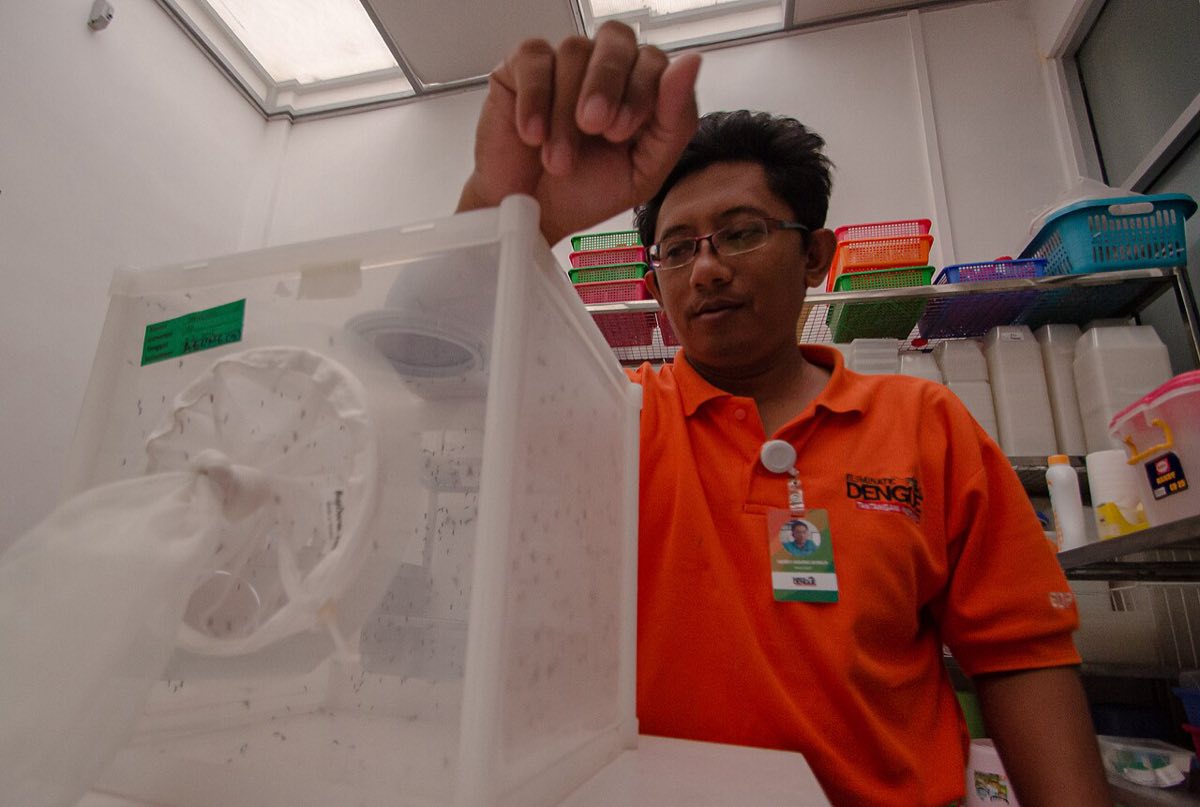
In the Brazilian city of Belo Horizonte, mosquitoes carrying the harmless Wolbachia bacterium were released — and schoolchildren in those areas had 68.5% less dengue, even during the country’s largest outbreak on record. How it works, and what to do about the tiger mosquito here on the coast.
Wolbachia is a bacterium that lives in many insects and is harmless to people. When an Aedes aegypti mosquito carries it, the dengue, Zika and chikungunya viruses multiply poorly inside it, and it largely stops passing them on. The bacterium is inherited by the offspring, so the released mosquitoes gradually change the local population. In Brazil the method is led by the Fiocruz research foundation with funding from the country’s Ministry of Health.
📍 What the trial showed
The EVITA Dengue trial was rigorous: 58 areas around municipal schools were split in two, with Wolbachia mosquitoes released in 29 on top of standard mosquito control and only standard measures used in the other 29. Researchers followed 5,757 children aged 6 to 11. According to the results presented at the annual meeting of the American Society of Tropical Medicine and Hygiene, dengue incidence was 68.5% lower in the Wolbachia areas. A full scientific paper is still to come, but the result matches the earlier trial in Yogyakarta, Indonesia, where dengue cases fell by 77%.
📍 What about here
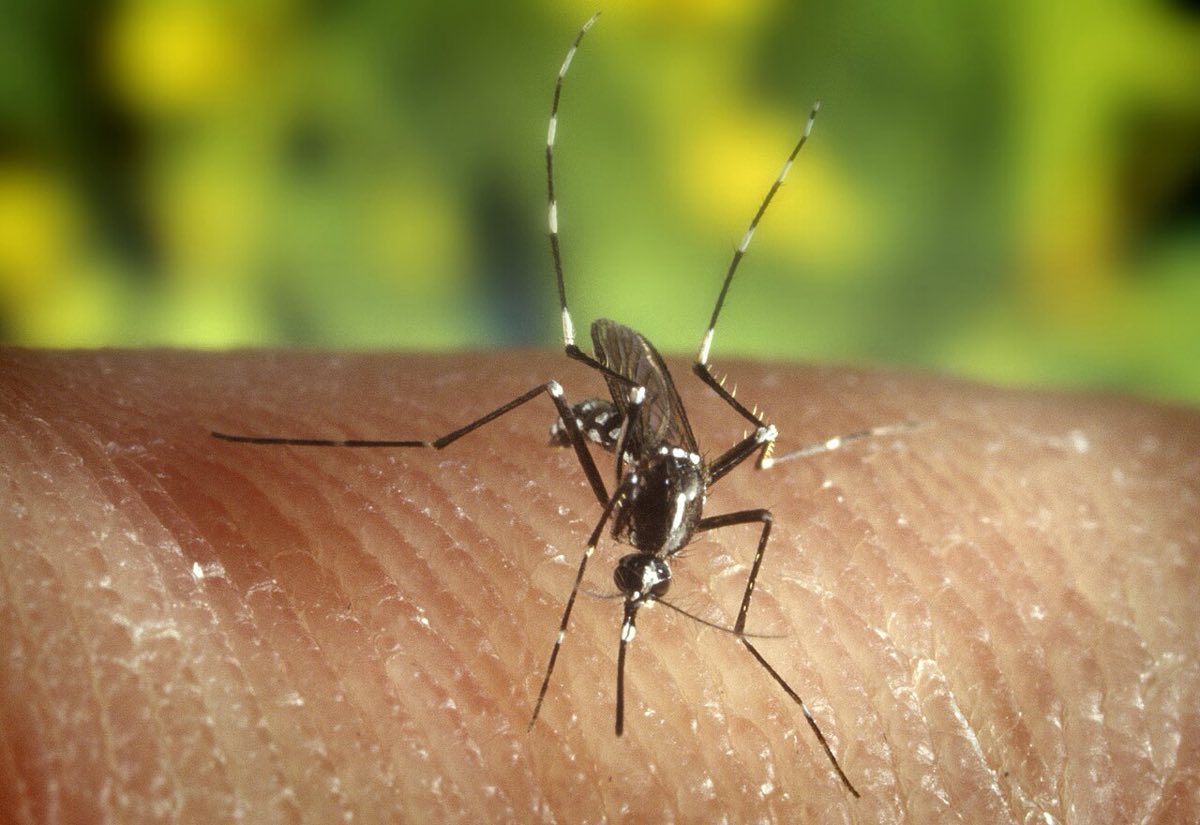
The Costa Blanca has a different species — the Asian tiger mosquito, Aedes albopictus, the one that bites by day in the garden and on the terrace. Wolbachia is not being released against it in our region, so the main weapon is still simple: Spain’s Ministry of Health and the Generalitat ask people not to leave standing water. Once a week, empty the saucers under plant pots, buckets, toys and umbrella bases, cover water barrels with netting and clean drains and gutters. If you notice many mosquitoes around your home, report them through the free Mosquito Alert app (a CSIC project), and if you get a high fever after a trip to the tropics, see a doctor straight away. Emergency numbers are in our directory.
Original source: Good News Network / EVITA Dengue ↗