Low emission zones: fines with no more grace periods
- Source date
- Published on Tairix
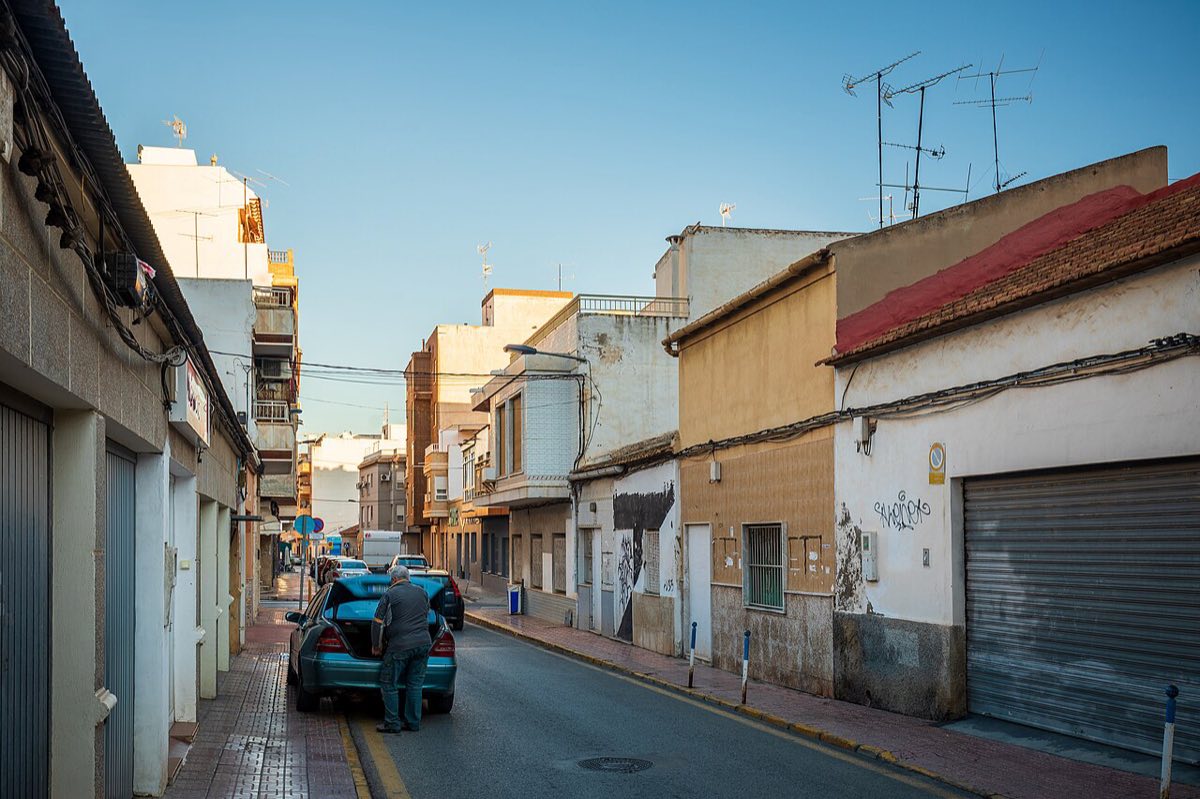
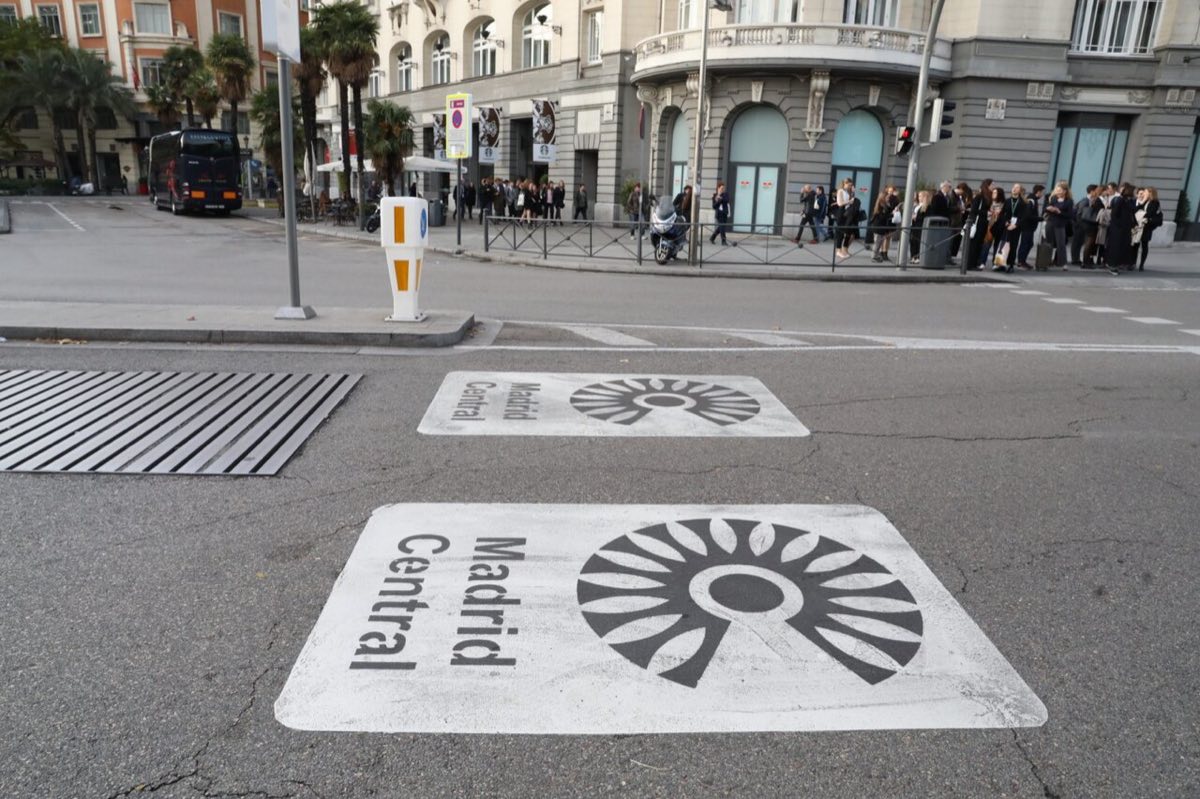
The government has told towns that must run low emission zones (ZBE) to actually fine offenders, without drawn-out moratoriums. In Torrevieja, €200 fines for cars without an environmental sticker start on 1 January 2027.
On 3 November the Council of Ministers amended Royal Decree 1052/2022 on low emission zones. According to the Ministry for the Ecological Transition (MITECO), councils that are required to create such a zone must now prove on paper that the restrictions really work: report when bans on entering, driving and parking based on a vehicle’s environmental class took effect, and when cameras and control systems went live. Municipal bylaws must apply the penalties set out in national traffic law, with no transitional schemes that put fines off.
📍 Why the government is tightening the rules
The ministry spells out what went wrong in the first years: moratoriums on fines that ran too long, zones with no restrictions by environmental class at all, and zones so small that they covered streets already closed to traffic. Zones are mandatory for towns with more than 50,000 inhabitants, island territories and towns over 20,000 that exceed air quality limits. In the province of Alicante, the first group includes Alicante, Elche, Torrevieja, Orihuela and Benidorm, among others. The ministry’s statement did not give a date for the changes to take effect.
📍 Torrevieja: fines from 1 January 2027
Torrevieja’s full council gave final approval to its low emission zone bylaw on 22 December 2025 (22 votes for, 2 against). Under its text, a moratorium runs until 31 December 2026: no fines, offenders may just receive an information notice. From 1 January 2027 the zone takes full effect in its first phase, in the centre. According to the council, the entry points will be on Calle San Pascual to the north, the Vistalegre, Libertad and Juan Aparicio promenades to the south, Calle Patricio Zammit to the east, and Avenida Faleria and Calle Orihuela to the west. A breach is a serious offence with a €200 fine, 30% more for a repeat within a year. The second, larger phase starts on 1 January 2029.
📍 Who is affected
Torrevieja’s restrictions target vehicles without a DGT environmental sticker. Under the bylaw, cars and motorcycles with B, C, ECO and CERO stickers, mopeds, historic vehicles and cars of residents registered (empadronados) inside the zone, with or without a sticker, may enter without a separate permit. Owners of unlabelled cars who work, rent a garage or take a child to school inside the zone must apply in advance for a permit in the municipal register. Enforcement will rely on number plate recognition cameras: in May the council awarded a €1,189,213 contract, funded by EU money, to Estacionamientos y Servicios, with 13 controlled entry points in phase one and 26 more in phase two.
📍 Alicante and other towns
In Alicante the low emission zone has formally been running since January 2025, but according to the FAQ on the council website restrictions apply only in the old town (Casco Antiguo), which was already limited to residents and authorised vehicles; everyone else can drive with no restrictions or fines. Zones without restrictions by environmental class are exactly one of the problems the ministry names. Whether Alicante will change its approach, and how the new rules will affect Elche, Orihuela and Benidorm, the councils had not said at the time of checking.
📍 What to check now
You can look up your car’s environmental class by number plate on the DGT website (the “Distintivo ambiental” section), which also explains how to get the sticker. Foreign-registered cars have no DGT sticker: Torrevieja’s bylaw mentions a municipal register of foreign and other authorised vehicles, so it is best to check with the council before 1 January how they can enter. If you are registered in central Torrevieja, make sure your padrón is up to date: that is what lets you enter without a sticker.
Original source: MITECO ↗