In this guide
5
What is happening
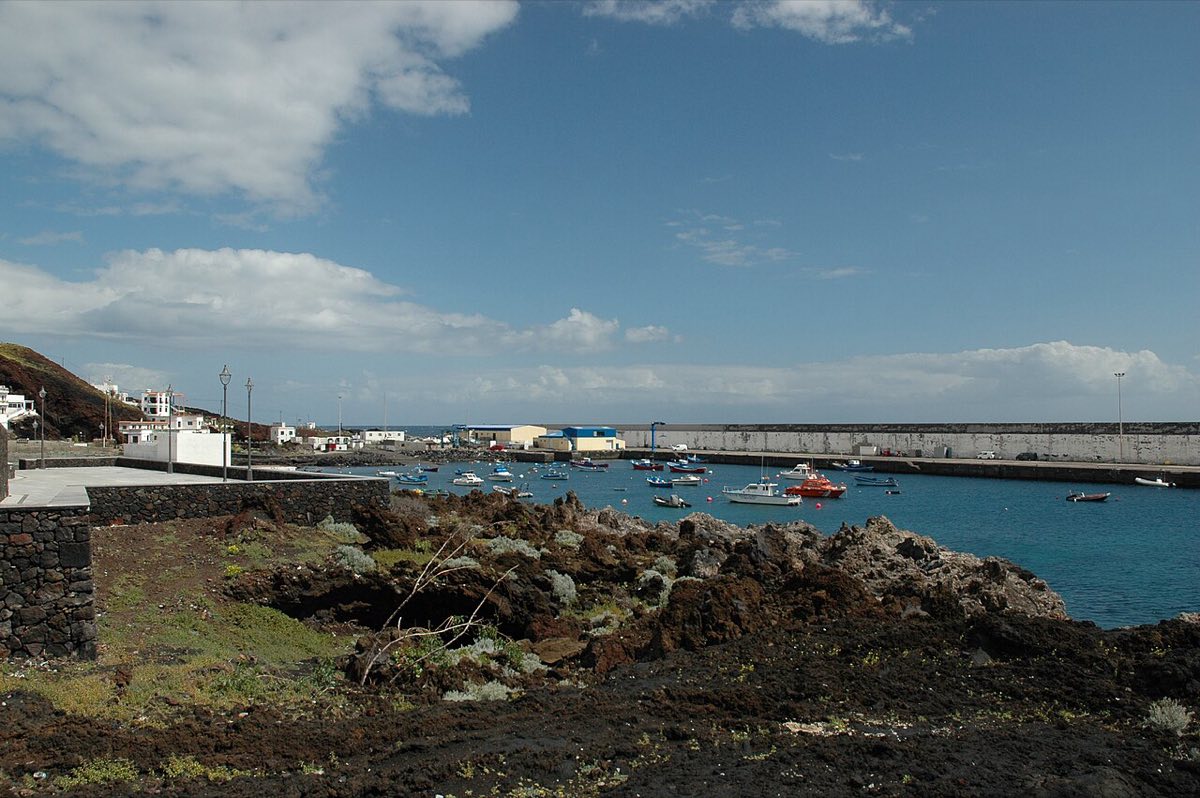
In late October and the first days of November the small island of El Hierro took in boat after boat. On 24 October four boats arrived with 566 people on board. On 1 November two more brought 307. Overnight into 4 November and that morning six boats reached the island; by Moncloa.com’s count they carried 557 people, 46 of them minors. The island cannot house that many people, so the central government’s delegation chartered a ferry to move about 500 of them to Tenerife.
According to Spain’s Interior Ministry, 13,327 people reached the Canaries between January and October. That is 5.5% fewer than in the same period of 2025. In mid-October the gap was much wider, 33.5%. A sharp rise at the end of the month almost wiped it out: 6,194 people arrived in October alone. Across Spain, 32,942 people arrived in ten months, 8.9% more than a year earlier.
Where the boats come from and why the route shifted
Almost all of this autumn’s boats left from Senegal (Saint-Louis, Mbour, Kafountine) and from Gambia. Many spent five to seven days at sea. Most people used to set off from the coast of Mauritania, but a lot has changed there. Spain now has 40 National Police and Civil Guard officers in Mauritania, with two patrol boats, a helicopter and 14 off-road vehicles. In 2026 Mauritania stopped 37 boats carrying more than 4,300 people. On 3 November Spain’s Interior Minister Fernando Grande-Marlaska thanked the Mauritanian authorities for it.
The Spanish NGO Caminando Fronteras, which monitors migration routes, explains it like this. Young people are leaving Senegal because they see no future at home. People from the Sahel now leave through Gambia, whereas they used to set off from Mauritania. In other words, tighter control in Mauritania did not close the route; it pushed it south. The journey got longer, and the first land on it is often El Hierro.
The cost of the journey
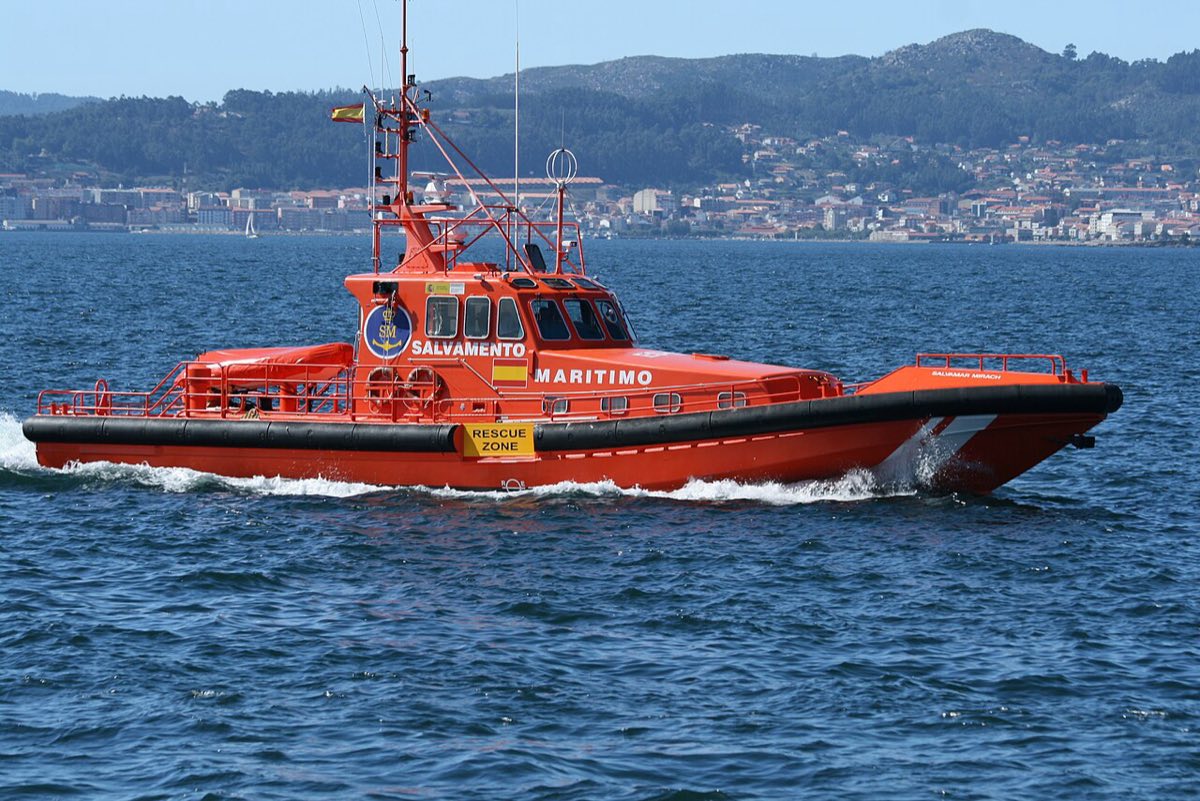
This route is considered the deadliest into Spain. By Caminando Fronteras’ count, 635 people died on it between January and May 2026 alone. The organisation blames a lack of search and rescue resources, poor coordination between countries and unseaworthy boats. In September a boat from Gambia with 127 people on board drifted in the ocean for 26 days. 45 survived.
Why people are not sent back
Someone rescued at sea cannot simply be turned around. Everyone has the right to ask for asylum, and while the claim is being examined the person cannot be expelled. Unaccompanied minors are not expelled at all; they come under the guardianship of the Canary Islands. An adult whose claim is refused can only be sent somewhere that agrees to take them back. First the authorities have to establish who the person is and where they come from, and most have no papers. Spain has a readmission agreement with Mauritania. With Senegal there is none, only joint patrols and seasonal work schemes.
The figures show the result. In 2024 Spain issued 51,025 expulsion orders and carried out just over 3,000, according to Eurostat data cited by Infobae. In 2025 the police handled 3,398 expulsion procedures. That figure does not include immediate returns at the border or voluntary departures.
What it means for the Canaries
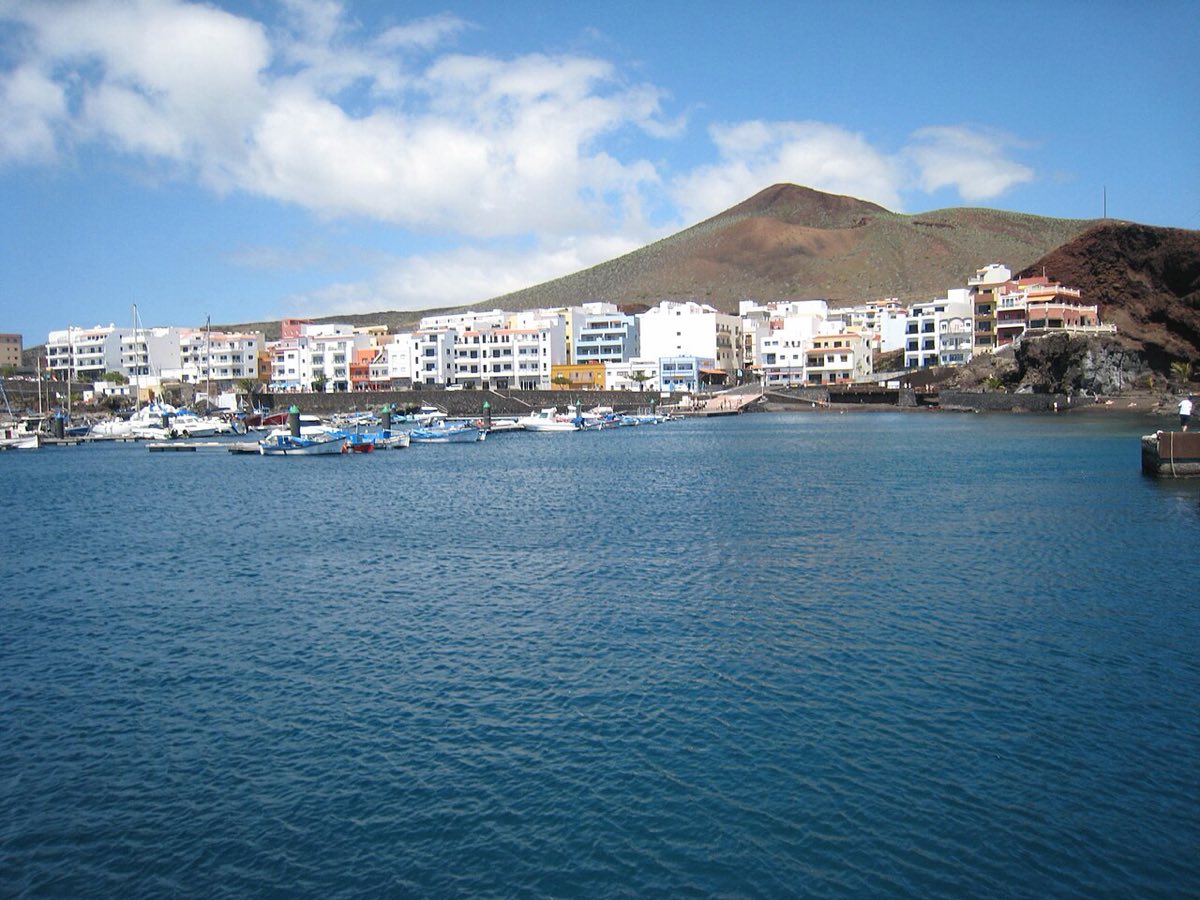
Children are the hardest part. The Canaries now look after about 2,630 migrant minors, with places for 782, says Sandra Rodríguez, head of children’s services in the Canary government. After the reform of the immigration law, children began to be relocated to other Spanish regions on a mandatory basis, and by March 2026 the number in Canary care had fallen from almost 6,000 to under 3,500. But according to the central government’s delegate in the Canaries, Anselmo Pestana, almost every region governed by the People’s Party is challenging these transfers in court. In July alone the Canaries went to prosecutors three times because Aragón refused to take children in.
The political row is also heating up. The Canary Islands’ president, Fernando Clavijo, accuses the central government of “silence”, and the islands’ government says Madrid does not even call. Minister Ángel Víctor Torres replies that the answer lies in sharing the children out among the regions.
It is hard to say how this will end. As long as Senegal and Gambia give young people no reason to stay, and sending people back remains as hard as it is now, the boats will keep coming. The Interior Ministry’s next figures, up to 15 November, will show whether the rise continues.