In this guide
16
In short
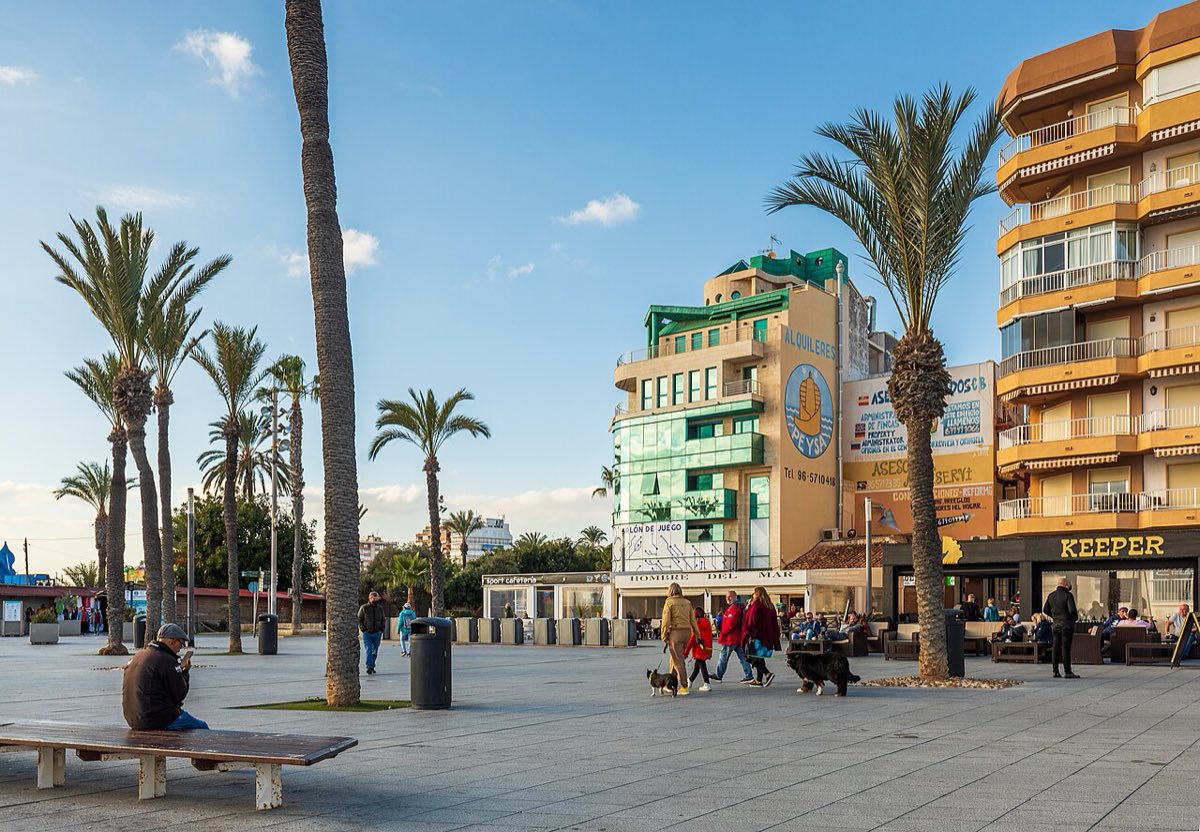
My name is Irina. I have been an estate agent since 2009 and founded the Tairix Invest agency. When I was choosing where to live in Spain myself, Torrevieja won for four reasons: you can get by without Spanish in the first months, there are lots of people who moved here just like you, the sun shines almost every day, and it is not a tiny village where everything but one bar shuts in winter — it is a real town of more than a hundred thousand people.
Now almost everyone thinking of moving asks me the same questions: is it really cheaper here? Is it safe? And why does the town look nothing like the postcards of Spain? Here are my honest answers — with figures where they exist, and with what I have seen myself.
In a nutshell: Torrevieja is one of the most affordable ways to live by a warm sea in the EU, with sunshine almost all year and a ready-made international community. But it is not a historic Spanish town, summers are hot and crowded, and without a car or some Spanish certain things are hard. People who know this in advance usually like it here.
Pro 1. Homes are still affordable — even though prices have risen
According to notary data, 6,498 home purchases were signed in Torrevieja over the last 12 months. The average price is €2,264 per m² and the average sale €154,405 for a flat of about 68 m². In the town centre an average purchase costs roughly €123,000–128,000. For comparison, according to Ministry of Housing valuations, a square metre in Málaga costs one and a half times as much, and in Barcelona and Madrid more than twice as much.
But “cheap” is no longer the right word. According to Tinsa, in Q3 2026 homes in Torrevieja were 16.4% more expensive than a year earlier — faster than the Spanish average (14.9%). My view: the gap with Málaga and Alicante is slowly narrowing, and anyone waiting for prices to fall has so far waited in vain. If you have already decided to move, it makes more sense to live here for a while, choose an area and then buy, rather than put it off for years.
| Town | € per m², ministry valuation (Q2 2026) |
|---|---|
| Torrevieja | 2 254 |
| Alicante | 2 279 |
| Valencia | 2 973 |
| Málaga | 3 321 |
| Marbella | 4 528 |
| Barcelona | 4 602 |
| Madrid | 5 418 |
Pro 2. Sunshine and mild winters
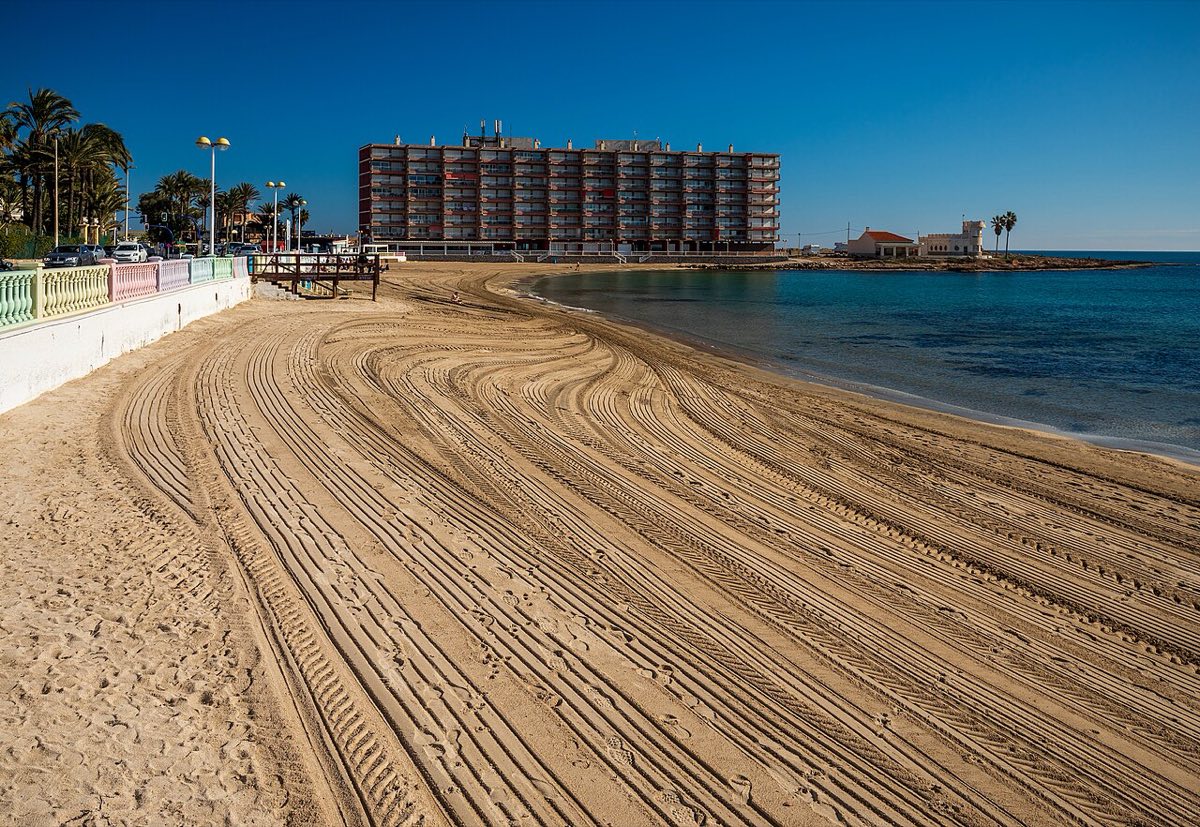
According to AEMET climate normals (Alicante-Elche airport station), there are about 2,950 hours of sunshine a year and only around 35 rainy days. In January the average is 17 °C by day and 7 °C at night, and frost is almost unknown. Many of my clients from Germany, Poland, Ukraine and Scandinavia say the main thing they bought was not a flat but a winter without grey skies.
Pro 3. Safety: honestly, in figures
I feel at ease living here, but I will not hide the figures: if you search for “Torrevieja crime”, you will find headlines about a record. According to the Interior Ministry, 10,089 offences were recorded in the town in 2025 — 8.3% more than the year before — and per registered resident that is one of the highest figures in the province.
What lies behind the figure. Almost 3,000 cases are petty thefts (hurtos): bags on the beach, phones at markets and in bars. Around 900 more are online fraud. Robberies with violence numbered 314 — about 3% of all cases. And all of this is divided by about 113,000 registered residents, although, according to the town hall’s estimate, up to 460,000 people were in the town in August 2024: tourists, second-home owners and people living here unregistered. So the “per resident” rate is noticeably inflated for a resort.
And the trend right now is good: according to the Government Sub-Delegation, from January to July 2026 offences fell by 9% compared with a year earlier, robberies with violence by more than 20% and burglaries of homes by more than 11%. My view after five years of working here: Torrevieja is a town where families with children stroll in the evening, and the main danger is leaving a bag unattended on the beach or believing a “too good to be true” rental ad online.
And here is something I can tell you first-hand as an estate agent: my most unpleasant encounters have not been on the street but in property. I have personally come across forged documents for a flat and “estate agents” with no agency and no registration — just a nice social media profile and a request to transfer the deposit “right now, before it’s gone”. Foreigners who do not yet know how a sale works here are an easy target for such people.
- Work with an agency that has an office and a number in the Valencian Community register of estate agents (RAICV), and check it yourself. Tairix Invest’s number is RAICV 5885.
- Before paying any deposit, order a nota simple from the Land Registry: it shows who really owns the property and whether there are debts or charges on it. It costs a few euros and can be done online.
- On the beach and at markets keep your phone and wallet on you, and leave nothing visible in the car.
- If your flat stands empty for long periods, fit an alarm or arrange for neighbours to keep an eye on it — many second-home owners do.
- Never pay a rental deposit without seeing the flat and the owner or a registered agency.
Pro 4. An international town where people understand you
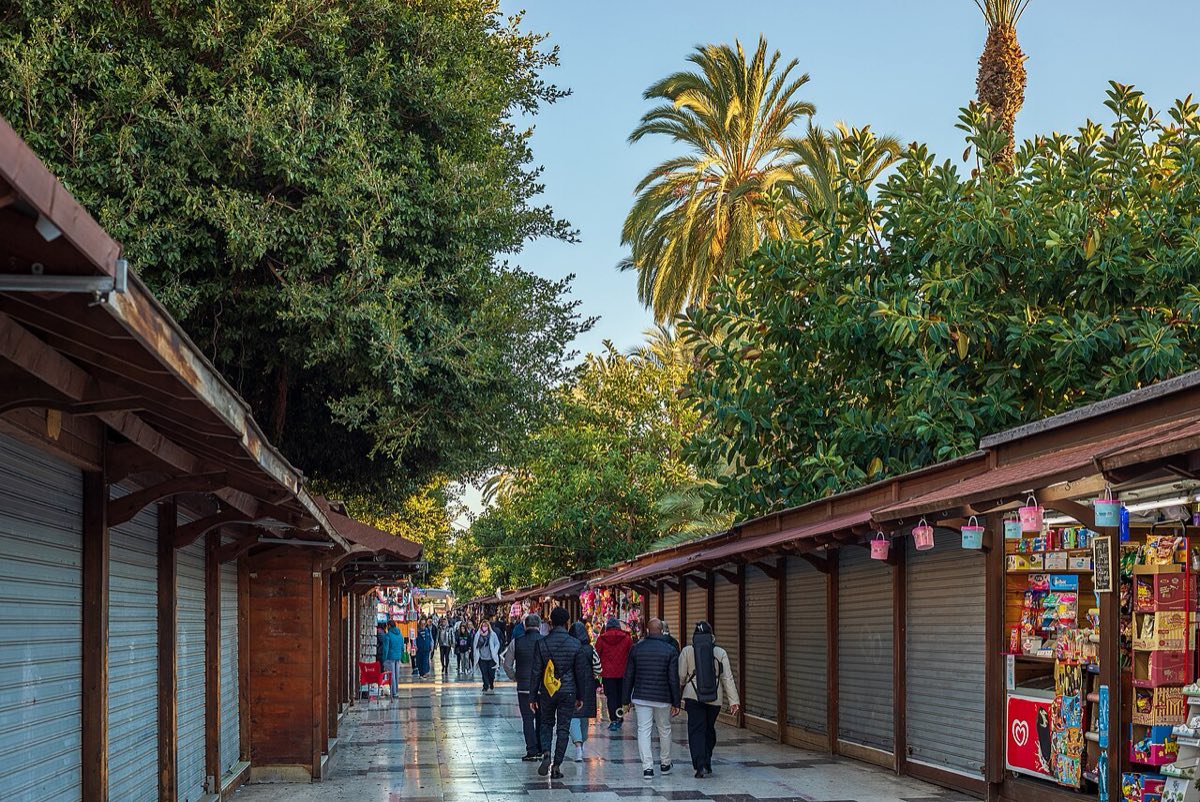
According to the municipal register for May 2026, Torrevieja has 113,453 residents, more than 62,000 of them foreigners of 120 nationalities. In practice this means it is easy to find a doctor, lawyer, tradesperson or hairdresser who speaks your language, and fellow foreigners will help with advice in the first months. Many of them are in our directory of businesses and professionals.
Pro 5. Everything close by: airport, healthcare, beaches
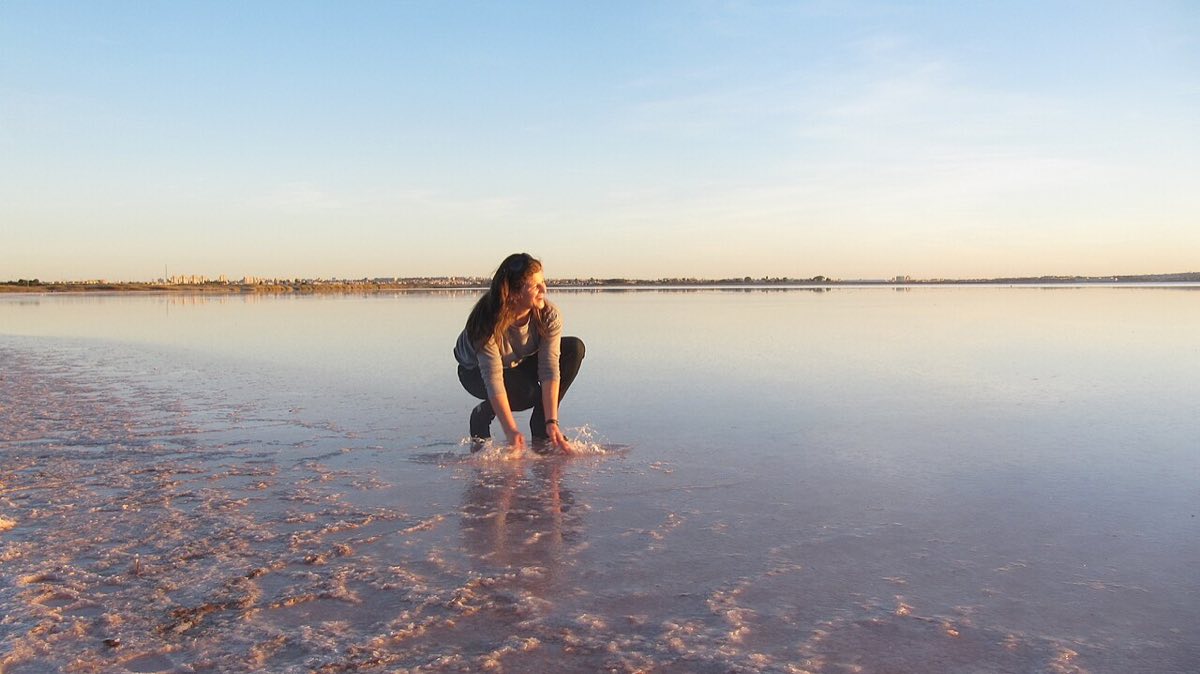
Alicante airport is about 40 minutes away by direct bus, and Murcia airport is close too. Torrevieja has a public hospital, with 24-hour health centres in neighbouring towns, and the coast from Santa Pola to Pilar de la Horadada has 32 Blue Flag beaches in 2026. We have gathered all these advantages of our region, in figures, in the “The region’s advantages in figures” section of our big moving checklist.
Pro 6. The region is flourishing before your eyes
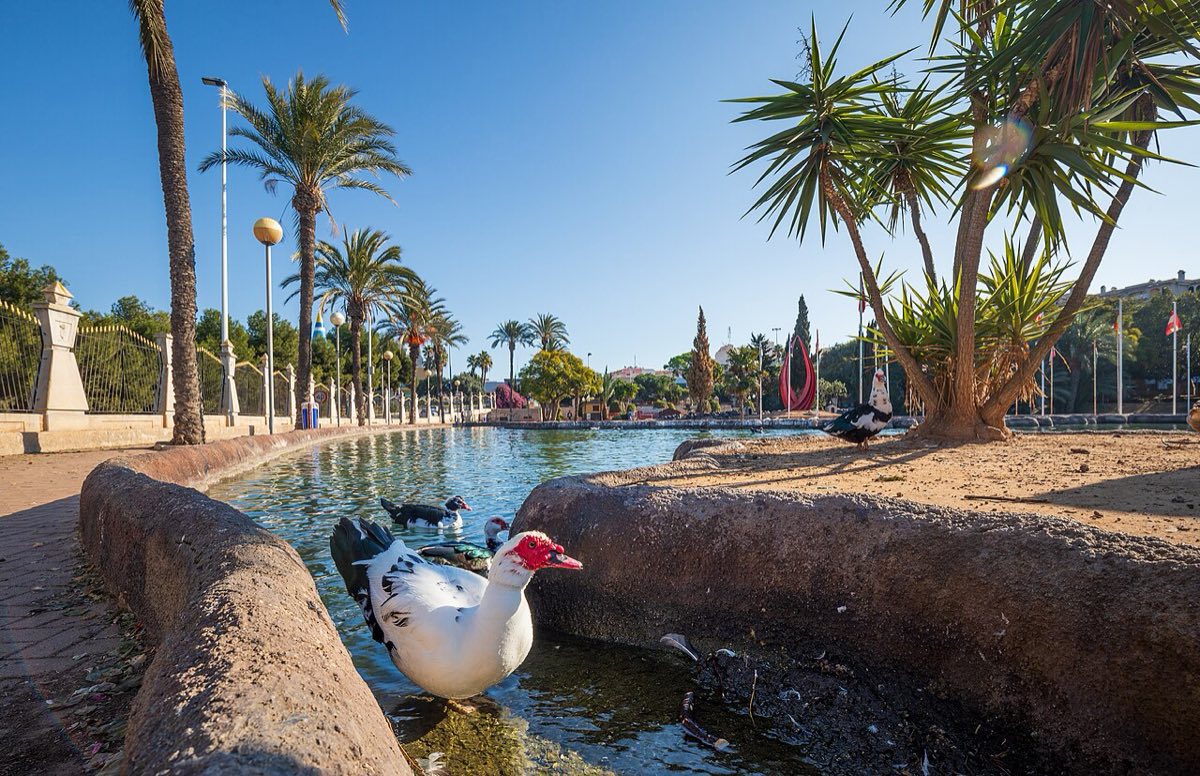
In the years I have been working here, Torrevieja and the towns around it have changed noticeably. Lots of new housing is going up, new parks and shopping centres are appearing, seafronts are being rebuilt, and the old railway line has become the Vía Verde for walking and cycling. A region that used to live off one summer season is increasingly a place where people live all year round — and in my view that is exactly what is supporting prices now.
Con 1. The look: “not much Spain”
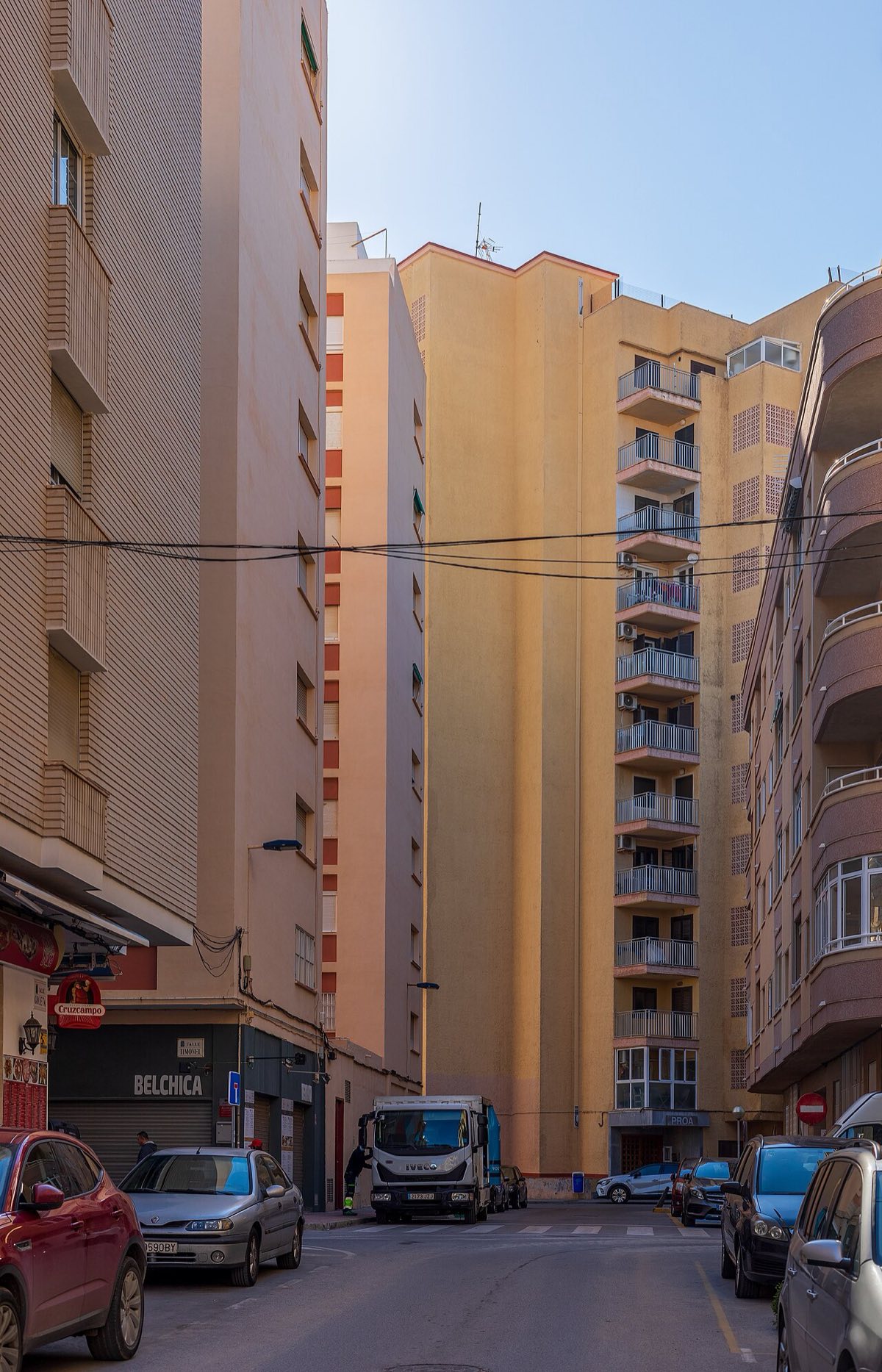
The first disappointment for many is the look of the place. There is hardly any old town, buildings stand wall to wall, there is little greenery, and on some streets you hear more foreign languages than Spanish. There are reasons for this: the town was rebuilt from scratch after the 1829 earthquake, it is squeezed between the sea and salt lagoons, and in half a century it grew almost tenfold — mostly as holiday homes. I wrote about this in detail in a separate column.
My view: Spanish life is here, you just need to know where to look — at the Friday market, on the seafront in the evening, at the habaneras festival and in the town-centre bars where locals have breakfast. And for greenery, head to the pink lagoon and the La Mata pine woods.
Con 2. Hot summers, and cold, damp flats in winter
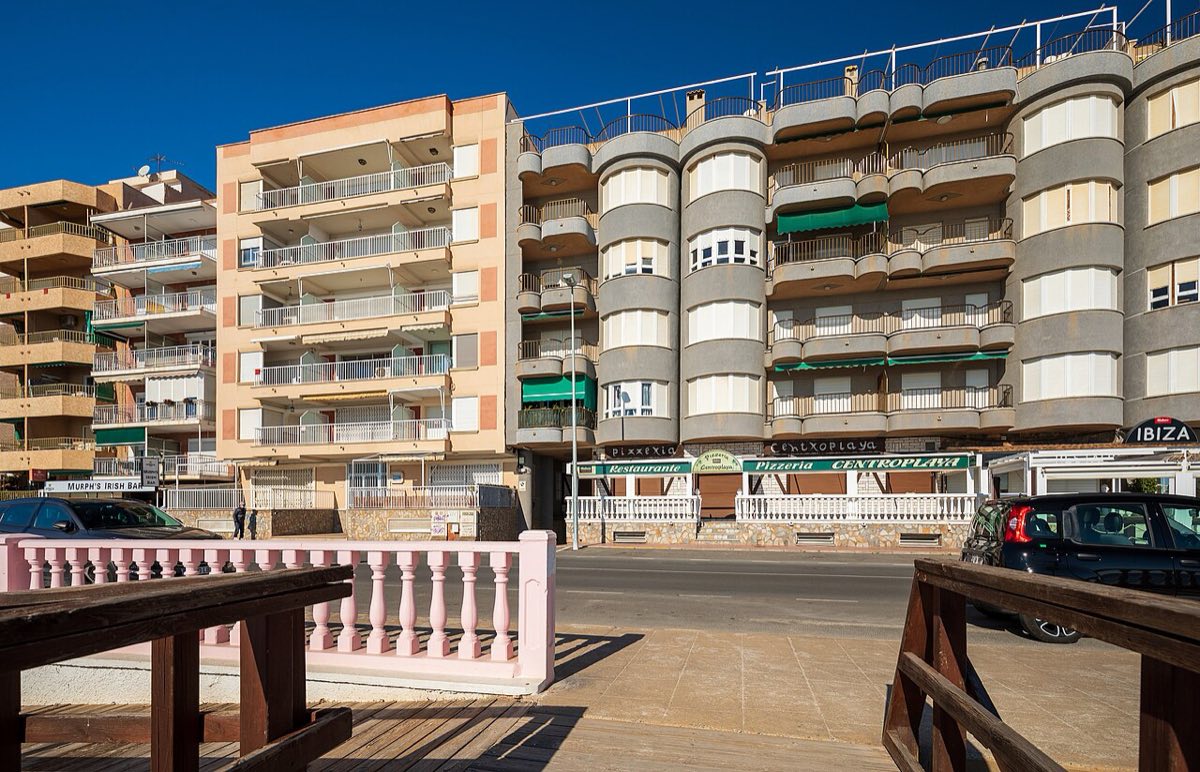
In July and August daytime temperatures average 30–31 °C and nights around 22 °C, and without air conditioning in the bedroom it is hard going. Winter is the opposite: many coastal homes have no central heating, and the flat can be colder than the sunny street. When viewing a property, ask how it is heated, whether the air conditioners also heat, and what the winter electricity bills were. And in September–October there can be torrential rain (DANA): check whether the home is in a flood zone.
And the thing my clients complain about most is the quality of the homes themselves. Thin walls you can hear the neighbours through, and old windows that hold heat badly. The result is cold and damp in winter, and sometimes mould in the corners. Many buildings were built for hot holidays, not for living all year round. That is why you need to choose a developer, or a resale home, very carefully: check the windows (double glazing, thermally broken frames), look for dark patches and a damp smell, see which way the flat faces the sun, and find out what the developer has built before and how those buildings look a few years on.
Con 3. Life on the estates is hard without a car
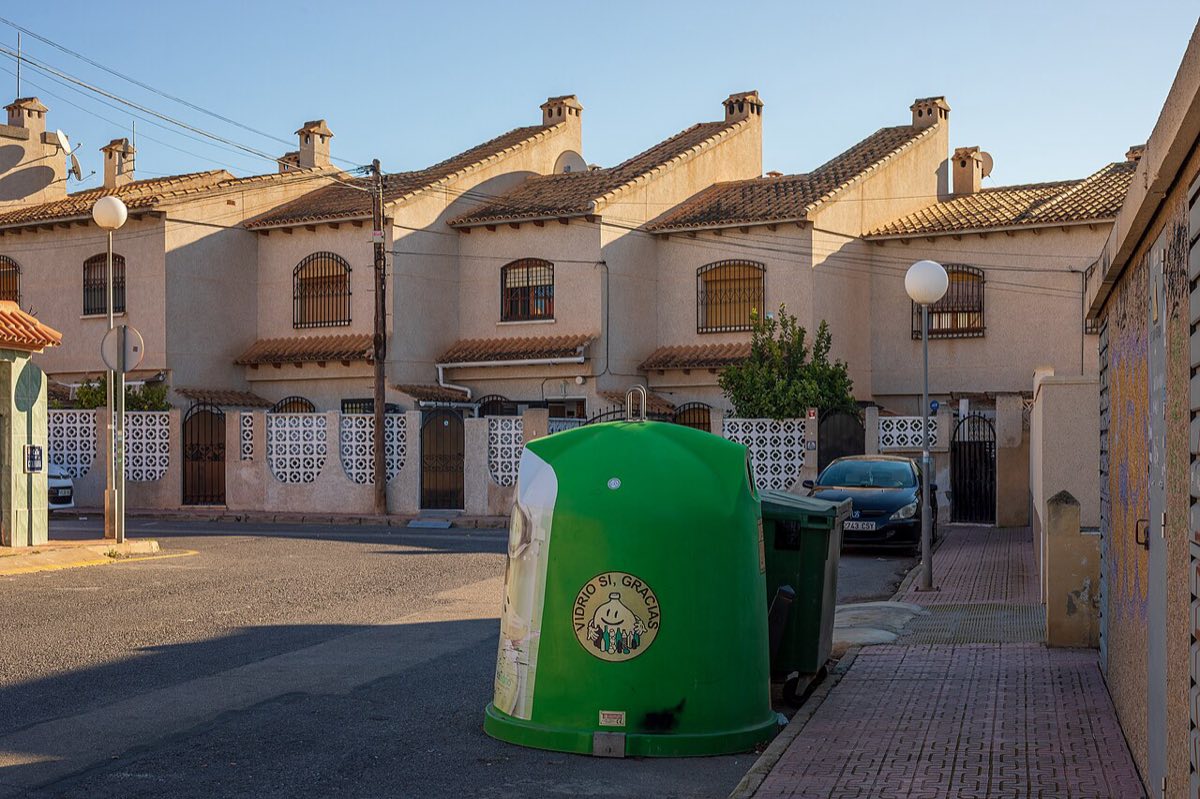
In central Torrevieja you can live without a car: shops, doctors, buses and the seafront are close by. But most bungalows and villas are on estates (urbanizaciones), where the supermarket, health centre or bus stop can be a long way off. Some of these estates empty out in winter: life in summer, closed cafés and dark windows in winter. Summer is the opposite — traffic jams, queues and full car parks near the beaches. That is why I always advise viewing an area twice: in August and in January.
Con 4. Paperwork and language
Spanish bureaucracy takes its time: appointments (cita previa) for a NIE, residency or social security can take weeks to find, and documents are often accepted only in Spanish. The padrón, the SIP health card, a bank account, electricity and water contracts — all of this has to be done in the first months. My view: you can live here without Spanish, but a basic level and someone who can help with official matters save a lot of stress.
What people who already live here say
When I ask my clients a year or two after moving what they like most here, I usually hear two things: the climate and the Spanish people. They are surprised how friendly and patient the locals are — at the chemist’s, with the neighbours, at the town hall — even when you are explaining yourself with gestures and three words of Spanish.
I read through foreigners’ discussions on forums and in expat guides (British Expats, Kyero and others), and the picture matches what I hear from clients. The most common praise is for year-round sunshine, a lower cost of living than back home in northern Europe, a ready-made international community and English-speaking doctors. The most common complaints are about summer heat and drought, the inconvenience of living outside the centre without a car, some areas feeling “not very Spanish”, and adult dental care being almost entirely private. This is a summary of public discussions, not statistics.
Who Torrevieja suits — and who it does not
- Suits: people who want to live by the sea in the warmth on a sensible budget; retirees, remote workers and families who value an international community and having everything close by.
- Suits: investors who want liquid rental property — there are thousands of sales a year here.
- Does not suit: those dreaming of historic Spanish architecture, quiet and greenery all year — better to look at towns inland.
- Does not suit: people who cope badly with heat or are not ready for a car and Spanish formalities.
My conclusion
Torrevieja is not a postcard but a convenient, warm and still affordable town to live in. Its downsides are well known and can be managed by choosing the right area and preparing, while its upsides — sun, sea, prices and people from all over the world — are not going anywhere. My advice: come and live here for a couple of winter months first, go through our moving checklist, and then decide where and what to buy.
We will find the right area and home for you
Tell us who is moving, your budget and what matters to you. I or my Tairix Invest team will reply personally in your language: we will suggest areas and help you rent or buy.
Frequently asked questions
Is Torrevieja safe to live in?
Generally, yes. In 2025 the Interior Ministry recorded 10,089 offences, but most were petty thefts and online fraud; robberies with violence were about 3%. The per-resident rate is inflated: it is based on 113,000 registered residents, while up to 460,000 people are in the town in summer. From January to July 2026 offences fell by 9%. The main risk for buyers is property scams, so before paying any deposit check the agency in the RAICV register and order a nota simple.
How much does a flat in Torrevieja cost?
According to notary data for the last 12 months, the average is €2,264 per m² and €154,405 per sale (about 68 m²). The centre is cheaper, around €123,000–128,000 for an average purchase; areas nearer the sea, Los Balcones and La Mata are dearer. On top come 9% ITP tax and notary and registry fees.
Are house prices in Torrevieja still rising?
Yes. According to Tinsa, in Q3 2026 homes in Torrevieja were 16.4% more expensive than a year earlier — faster than the Spanish average (14.9%). Even so, a square metre here is still noticeably cheaper than in Málaga, Valencia or Barcelona.
Why does Torrevieja look different from other Spanish towns?
The town was rebuilt on a grid after the 1829 earthquake, it is squeezed between the sea and salt lagoons, and in half a century it grew almost tenfold, mostly as holiday homes. That is why there is hardly any old town, buildings are tightly packed and there is little greenery.
Do you need a car and Spanish in Torrevieja?
In the centre you can live without a car; on the estates it is hard. In daily life English or Russian is often enough, but for official matters — padrón, residency, contracts — Spanish or someone to help is very useful.